
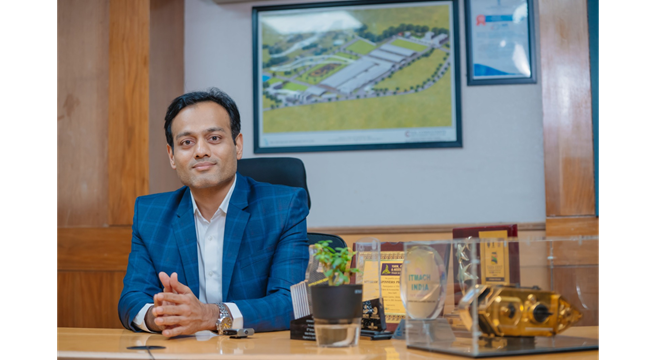
India EU FTA Is A Once In A Generation Opportunity But Execution Will Decide Outcomes Says Sitaram Spinners CEO
The India European Union Free Trade Agreement offers Indian
textiles a rare chance to reposition on the global stage, but success will
depend on preparedness rather than policy alone, according to Gautam Ganeriwal,
CEO of Sitaram Spinners Pvt. Ltd. and Chairperson of Young Entrepreneurs Group
(YEG) of Confederation of Indian Textile Industry (CITI).
The agreement grants Indian exporters zero duty access to a
European textile and apparel market valued at nearly US$135 billion, removing a
tariff disadvantage of 9 to 12%. Mr. Ganeriwal views this shift as a structural
opening that could move India from volume driven exports to value led
manufacturing, provided domestic bottlenecks are addressed in parallel.
Europe sets some of the highest global benchmarks for
textiles. Buyers demand reliability, traceability, speed and strict ESG
compliance. Sustainability is no longer a differentiator. It has become a
baseline requirement covering renewable energy usage, carbon reporting and
water stewardship.
Power competitiveness remains a central concern. Textile
manufacturing consumes significant energy and India’s electricity costs
continue to exceed those of key competitors. Streamlined access to green power
and rationalisation of electricity levies are essential to protect both cost
structure and environmental credibility.
Raw material pricing also needs urgent alignment. Cotton and
manmade fibre costs often remain above global averages; diluting gains achieved
through tariff elimination. Open and duty-free access to inputs is critical for
margin stability and long-term buyer confidence. Industry estimates suggest
that effective execution could lift textile exports to the EU by over 30%
within five years. The coming 12 to 15 months will determine whether India
converts opportunity into leadership.

The agreement grants Indian exporters zero duty access to a European textile and apparel market valued at nearly US$135 billion, removing a tariff disadvantage of 9 to 12%. Mr. Ganeriwal views this shift as a structural opening that could move India from volume driven exports to value led manufacturing, provided domestic bottlenecks are addressed in parallel.
Subscribe To Textile Excellence Print Edition
If you wish to Subscribe to Textile Excellence Print Edition, kindly fill in the below form and we shall get back to you with details.
Newsletter
Subscribe To Textile Excellence Mailing List


- December 09, 2022
'There Is Very High Acceptance For India

- December 09, 2022
'Advanced Machines & Service, Customer C

- October 09, 2023
First-time In The World: Rieter’s Auto

- July 28, 2026
Arvind Eyes Leadership In India's Premiu

- June 01, 2020
Karl Mayer Enables Automated Production

- June 05, 2023
Ultimax - All New Revolutionary Rapier W
- June 09, 2025
DyStar Becomes A Wholly Owned Subsidiary
- July 28, 2026