
`Time Running Out for Handloom and Handicraft Sector’
Handloom sector plays a significant role in the cultural and
economic fabric of India. It provides livelihood to millions of weavers across
rural and semi-urban regions. Despite its importance, the sector continues to
face multiple challenges including lack of modernization, limited market
access, and competition from powerloom and synthetic alternatives.
According to Mohanrao Macherla, President, National
Federation of Handlooms & Handicrafts (NFHH): “The budget allocation for
handloom sector has seen fluctuations over the years. While there have been
targeted schemes, their implementation and reach remain inconsistent. In fact,
budgetary allocations and actual spending on the handloom and handicraft sector
has been consistently falling over the last few years. The need of the hour is
a comprehensive and structured approach that integrates financial support,
infrastructure development, and market linkage.”
Key areas requiring attention include:
- Raw
Material Access: Ensuring availability of quality yarn at subsidized
rates.
- Credit
Facilities: Easy access to institutional credit for weavers and
cooperatives.
- Skill
Development: Training programs to upgrade skills and introduce
contemporary designs.
- Technology
Integration: Adoption of improved tools and processes without
compromising traditional techniques.
- Marketing
Support: Strengthening domestic and international market presence
through exhibitions, e-commerce platforms, and branding initiatives.
Government schemes have attempted to address some of these
concerns, but gaps remain in execution. There is also a lack of reliable data
on production, employment, and income levels within the sector, making policy
formulation difficult.
“The role of clusters and cooperatives is crucial in
streamlining production and ensuring better returns for artisans. However, many
such institutions suffer from governance issues and lack of transparency. There
is urgency to support India’s handlooms and handicrafts sector if we want to
preserve these heritage crafts and the rural economy,” emphasises Macherla.
The NFHH has been making these budget recommendations for
some time now:
- Increase
allocation for handloom sector with a clear focus on outcomes.
- Establish
dedicated handloom clusters with integrated facilities.
- Provide
direct benefit transfers to weavers to eliminate intermediaries.
- Invest
in branding and GI tagging of regional products.
- Promote
sustainable and eco-friendly practices within the sector.
- Encourage
public-private partnerships for innovation and market expansion.
“The handloom sector is not just an economic activity but a repository of India’s cultural heritage. A well-planned budget with targeted interventions can revitalise the sector, improve livelihoods, and preserve traditional crafts for future generations,” Mr Macherla underlines.
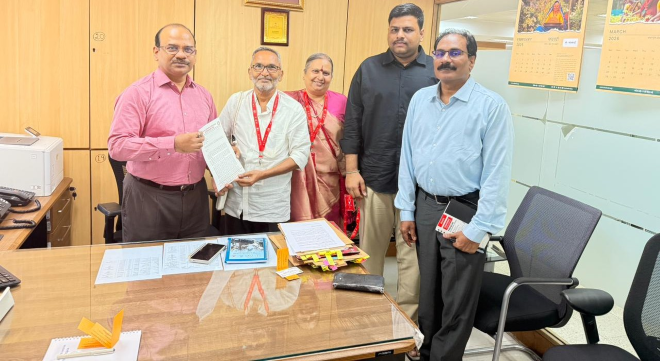
NFHH urges NABARD for urgent financial support
A representation recently submitted by the National
Federation of Handlooms and Handicrafts (NFHH) to NABARD further highlights the
deep financial distress in India’s handloom and handicraft sectors and calls
for immediate policy intervention.
The federation flagged rising raw material costs and limited
availability of yarn, dyes and other inputs as key challenges. This has reduced
production and affected the ability of cooperatives to provide regular work.
Delays in payments under government schemes have further strained working
capital.
To address this, NFHH has proposed a range of financial
measures. These include working capital loans at concessional interest rates of
3–4%, higher credit limits based on current costs, and faster approval of
loans. It has also called for one-time settlement of overdue loans, expansion
of MUDRA loans, and housing finance support for weavers.
The representation also seeks creation of common service
centres, raw material banks, and production-cum-procurement centres to improve
access and reduce exploitation by intermediaries.
For the handicrafts sector, it recommends investment in
warehouses, research and development, and dedicated funding support, including
loan waivers.
The federation estimates total short-term credit demand at
up to ₹15,000 crore, underlining the scale of need. It has urged NABARD and the
government to act quickly to protect livelihoods, sustain rural employment, and
preserve India’s cultural heritage.
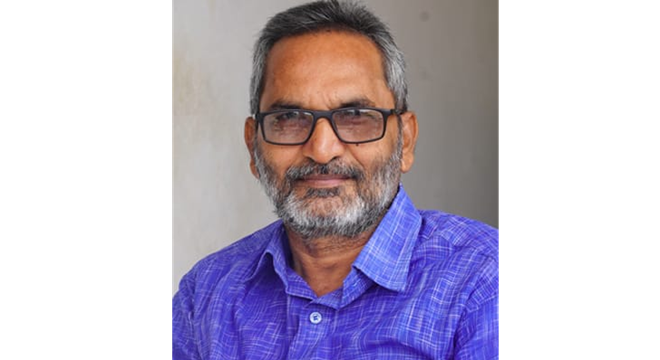
According to Mohanrao Macherla, President, National Federation of Handlooms & Handicrafts (NFHH): “The budget allocation for handloom sector has seen fluctuations over the years. While there have been targeted schemes, their implementation and reach remain inconsistent. In fact, budgetary allocations and actual spending on the handloom and handicraft sector has been consistently falling over the last few years. The need of the hour is a comprehensive and structured approach that integrates financial support, infrastructure development, and market linkage.”
Subscribe To Textile Excellence Print Edition
If you wish to Subscribe to Textile Excellence Print Edition, kindly fill in the below form and we shall get back to you with details.
Newsletter
Subscribe To Textile Excellence Mailing List


- December 09, 2022
'There Is Very High Acceptance For India

- December 09, 2022
'Advanced Machines & Service, Customer C

- October 09, 2023
First-time In The World: Rieter’s Auto

- July 28, 2026
Arvind Eyes Leadership In India's Premiu

- June 01, 2020
Karl Mayer Enables Automated Production

- June 05, 2023
Ultimax - All New Revolutionary Rapier W
- June 09, 2025
DyStar Becomes A Wholly Owned Subsidiary

- July 28, 2026