
New GRI Soil Pollution Standard Could Raise Sustainability Expectations Across Textile Value Chains
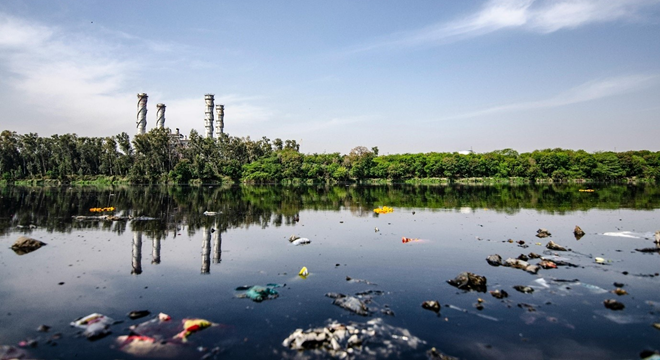
The Global Reporting Initiative (GRI) has released a draft sustainability standard on soil pollution, potentially expanding environmental reporting requirements for textile and apparel supply chains. The proposed framework, currently open for public consultation, introduces requirements related to target-setting, monitoring, remediation and transparency on soil contamination risks across a company's operations and value chain. While soil pollution is often associated with agriculture, the proposed standard could have implications across the textile industry. For fibre producers, particularly those sourcing cotton and other natural fibres, the framework highlights issues such as pesticide use, chemical fertilisers and soil degradation. Companies may increasingly be expected to monitor agricultural practices, engage with suppliers and support more sustainable farming methods. The implications extend beyond raw material sourcing. Textile processing units, dyehouses and chemical manufacturers may also face greater scrutiny over environmental management practices. Improper disposal of effluents, leakage from chemical storage facilities, and inadequate handling of wastewater treatment sludge can contribute to soil contamination and groundwater pollution. The draft standard encourages companies to identify areas within their value chains where significant soil pollution incidents may occur and establish measures to prevent and address such risks. GRI's proposed framework follows a policy-actions-objectives approach, encouraging companies to set measurable goals, develop safer alternatives to potentially harmful substances, improve waste management practices and report incidents of non-compliance along with remediation efforts. As global brands and regulators place increasing emphasis on regenerative agriculture, biodiversity protection and responsible sourcing, soil health is emerging as a new area of focus within sustainability reporting. If adopted, the standard could add another dimension to ESG expectations for textile companies, requiring greater visibility not only into fibre production but also into the environmental performance of processing, dyeing and chemical manufacturing operations.
GRI's proposed framework follows a policy-actions-objectives approach, encouraging companies to set measurable goals, develop safer alternatives to potentially harmful substances, improve waste management practices and report incidents of non-compliance along with remediation efforts.
Subscribe To Textile Excellence Print Edition
If you wish to Subscribe to Textile Excellence Print Edition, kindly fill in the below form and we shall get back to you with details.
Newsletter
Subscribe To Textile Excellence Mailing List


- December 09, 2022
'There Is Very High Acceptance For India

- December 09, 2022
'Advanced Machines & Service, Customer C

- October 09, 2023
First-time In The World: Rieter’s Auto

- July 28, 2026
Arvind Eyes Leadership In India's Premiu

- June 01, 2020
Karl Mayer Enables Automated Production

- June 05, 2023
Ultimax - All New Revolutionary Rapier W

- June 09, 2025
DyStar Becomes A Wholly Owned Subsidiary

- July 28, 2026