
Lynching Of Garment Worker In Bangladesh Raises Alarming Questions On Labour Safety And Global Supply Chains
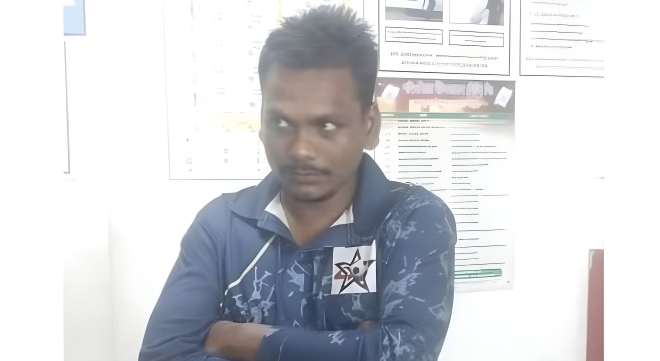
The brutal lynching of garment factory worker Dipu Chandra
Das in Mymensingh has sent shockwaves through Bangladesh’s readymade garment
sector, once again exposing deep concerns around worker safety, human rights,
and factory level accountability in one of the world’s largest apparel sourcing
hubs.
Dipu Das, a Hindu by religion, was employed at Pioneer
Knitwears (BD) Limited (part of famous Badsha Group of Industries) in Bhaluka,
Mymensingh, Bangladesh. According to Rapid Action Battalion disclosures, following
allegations of blasphemy he was first forced to resign by the factory floor in-charge
and then handed over to an enraged mob. He was subsequently beaten to death and
his body was set on fire. Investigators have confirmed that the allegations
remain unclear and no evidence has yet emerged to substantiate the claims. Ten
individuals including factory officials and workers have been arrested so far.
The incident has drawn serious attention due to Bangladesh’s
critical role in global apparel trade. The country exported garments worth
approximately US$38.5 billion in 2024, making it the second largest apparel
exporter globally. Europe remains the biggest market, accounting for over 50%
of exports valued at nearly US$19.4 billion, followed by the United States at
about US$7.2 billion. Major global brands sourcing from Bangladesh includes
H&M, Zara, Primark, Gap, Walmart, Target, Nike, Adidas, Uniqlo, Levi’s, PVH
and Decathlon, among others.
Human rights advocates warn that incidents such as the
lynching of Dipu Das risk undermining buyer confidence at a time when global
brands face increasing pressure to ensure ethical and transparent supply
chains. International frameworks and regulations in the European Union and
other markets require strict adherence to labour rights, workplace safety and
due process. Any failure at the factory level directly impacts compliance
across the value chain.
Despite progress since the Rana Plaza disaster, challenges
persist in parts of the garment ecosystem, including weak grievance redressal
systems, inadequate worker protection, and failure to involve law enforcement
during workplace disputes. The Dipu Das case highlights how management
decisions and mob violence can converge with fatal consequences.
Bangladesh’s garment industry could face reputational
damage, and potential order shifts to competing sourcing countries and
increased scrutiny from regulators and buyers if worker safety and human rights
are not prioritised. Beyond economic risk, the incident raises a fundamental
question about dignity, rule of law and protection for millions of workers who
form the backbone of Bangladesh’s export economy. For a sector built on global
trust and scale, safeguarding human rights, safe working conditions are no
longer optional but essential for long term sustainability.

Human rights groups and labour advocates have condemned the killing, calling it a grave violation of fundamental rights and due process. Bangladesh garment factories employ millions of workers and supply leading global apparel brands. Observers say the incident highlights deep vulnerabilities faced by workers inside factory ecosystems where allegations can rapidly escalate into mob violence without legal intervention.
Subscribe To Textile Excellence Print Edition
If you wish to Subscribe to Textile Excellence Print Edition, kindly fill in the below form and we shall get back to you with details.
Newsletter
Subscribe To Textile Excellence Mailing List


- December 09, 2022
'There Is Very High Acceptance For India

- December 09, 2022
'Advanced Machines & Service, Customer C

- October 09, 2023
First-time In The World: Rieter’s Auto

- July 28, 2026
Arvind Eyes Leadership In India's Premiu

- June 01, 2020
Karl Mayer Enables Automated Production

- June 05, 2023
Ultimax - All New Revolutionary Rapier W

- June 09, 2025
DyStar Becomes A Wholly Owned Subsidiary

- July 28, 2026