
Techtextil 2026: Barmag Drives High-Performance Yarn Innovation
At
Techtextil 2026 in Frankfurt (April 21–24), Barmag will showcase advanced
solutions for industrial filament yarn production at the VDMA joint stand (Hall
12, C56), focusing on applications that boost safety, durability, and
efficiency in automotive engineering.
High-performance
yarns for safer vehicles
Modern
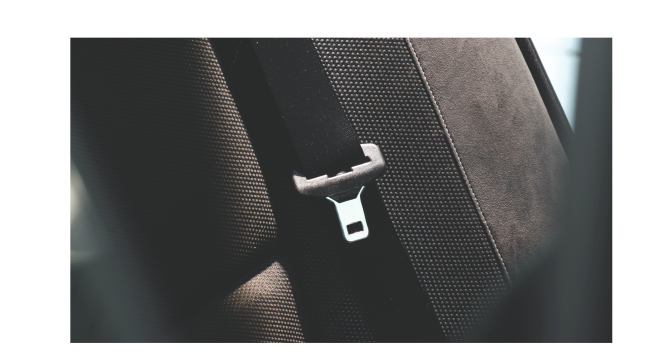
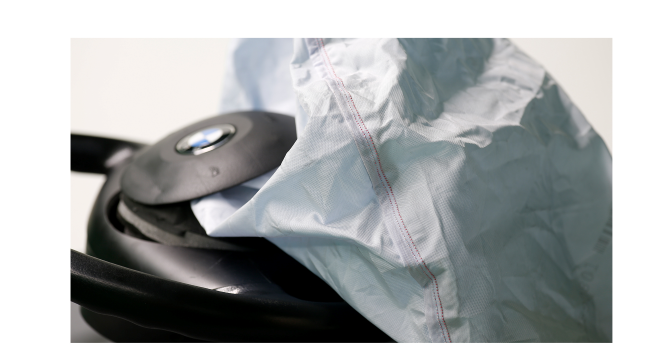
vehicles contain 30–35 kg of industrial yarns, most used in safety-critical
components like airbags and seat belts. Polyamide and polyester filament yarns
dominate airbag production. Barmag delivers energy-efficient, highly productive
technologies that ensure stable processes and consistently high yarn quality.
“Our solutions meet global airbag standards throughout a vehicle’s service
life, across all climates,” says Dr. Jen Supra, Technology Manager for
Industrial Yarns.
Precision
in seat belt production
A
single seat belt uses around 300 high-tenacity (HT) filament yarns, capable of
absorbing over 3 tons of force while stretching in emergencies. Barmag’s
patented Single Filament Layer technology enables precise, gentle production of
HT yarns, ensuring maximum safety.
Industrial
yarns beyond vehicles
Barmag
yarns also strengthen infrastructure. Geotextiles under asphalt, such as
geogrids, demand yarns with titers up to 24,000 deniers. Barmag produces three
6,000-denier filaments that can be combined efficiently to meet these high
standards.
The
Neumag brand complements this with high-capacity, energy-efficient spunbond
technologies for polyester and polypropylene geotextiles. Its PP inline concept
exceeds standard performance with high residual elongation and tensile
strength. Innovations like the EvoDuct air ducting system and EvE-2 monomer and
hot air suction system optimize airflow, reduce energy use, and improve fibre
homogeneity—delivering unmatched consistency in staple fibre production.
The Neumag brand complements this with high-capacity, energy-efficient spunbond technologies for polyester and polypropylene geotextiles. Its PP inline concept exceeds standard performance with high residual elongation and tensile strength. Innovations like the EvoDuct air ducting system and EvE-2 monomer and hot air suction system optimize airflow, reduce energy use, and improve fibre homogeneity—delivering unmatched consistency in staple fibre production.
Subscribe To Textile Excellence Print Edition
If you wish to Subscribe to Textile Excellence Print Edition, kindly fill in the below form and we shall get back to you with details.
Newsletter
Subscribe To Textile Excellence Mailing List


- December 09, 2022
'There Is Very High Acceptance For India

- December 09, 2022
'Advanced Machines & Service, Customer C

- October 09, 2023
First-time In The World: Rieter’s Auto

- July 28, 2026
Arvind Eyes Leadership In India's Premiu

- June 01, 2020
Karl Mayer Enables Automated Production

- June 05, 2023
Ultimax - All New Revolutionary Rapier W
- June 09, 2025
DyStar Becomes A Wholly Owned Subsidiary

- July 28, 2026