
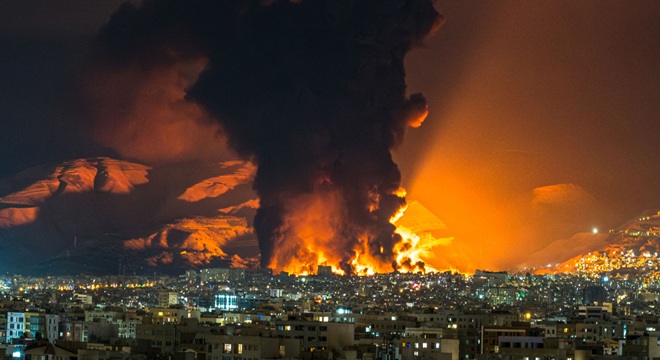
Middle East War Strands South Asia’s Fast Fashion Cargo
Shipments
of garments from South Asia to Europe and beyond are stuck as the Middle East
conflict shuts key air routes. Bangladesh, India, and Pakistan, the backbone of
global fast fashion, are facing supply chain chaos. Factories producing for
Inditex, H&M, Primark, and other brands report consignments stranded at
airports, with Dubai’s operations suspended and Gulf carriers cancelling
flights.
Shovon
Islam, MD of Sparrow Group in Dhaka, said, “Some of my apparel consignments are
stuck at Dhaka airport. They were supposed to fly to the UK via Dubai. We are
trying to find alternatives, but none are simple or cost-effective.”
South
Asia relies heavily on Gulf airlines for cargo: more than half of Bangladesh’s
air freight and 41% of India’s moves via Emirates, Qatar Airways, and Etihad.
With the airspace closed, available capacity is shrinking, and freight costs
are surging. Alexander Nathani of Mumbai-based Kira Leder reported that
airfreight charges to Europe have doubled.
The
disruption is not limited to air cargo. Mohammad Hatem, president of the
Bangladesh Knitwear Manufacturers and Exporters Association, warned that a
prolonged closure of the Strait of Hormuz would also hit sea transport, further
driving up costs and delaying shipments.
The
crisis threatens production schedules, export commitments, and the livelihoods
of millions of workers in South Asia. Factories are struggling to store
finished goods, while brands face delays in replenishing retail shelves. If air
and sea routes remain disrupted, the fast fashion supply chain could face its
most serious interruption in years, exposing the region’s heavy dependence on
Middle East transit hubs.
With
no immediate resolution in sight, South Asian exporters are racing against time
to reroute cargo and manage rising costs, while the global apparel market
braces for delayed deliveries and price shocks.
The crisis threatens production schedules, export commitments, and the livelihoods of millions of workers in South Asia. Factories are struggling to store finished goods, while brands face delays in replenishing retail shelves. If air and sea routes remain disrupted, the fast fashion supply chain could face its most serious interruption in years, exposing the region’s heavy dependence on Middle East transit hubs.
Subscribe To Textile Excellence Print Edition
If you wish to Subscribe to Textile Excellence Print Edition, kindly fill in the below form and we shall get back to you with details.
Newsletter
Subscribe To Textile Excellence Mailing List


- December 09, 2022
'There Is Very High Acceptance For India

- December 09, 2022
'Advanced Machines & Service, Customer C

- October 09, 2023
First-time In The World: Rieter’s Auto

- July 28, 2026
Arvind Eyes Leadership In India's Premiu

- June 01, 2020
Karl Mayer Enables Automated Production

- June 05, 2023
Ultimax - All New Revolutionary Rapier W

- June 09, 2025
DyStar Becomes A Wholly Owned Subsidiary

- July 28, 2026