
Nonwoven-Grade VEOCEL™ Lyocell Production Expands To Asia
VEOCEL™, Lenzing's flagship specialty nonwovens brand,
expands production at its Thai plant in Prachinburi. This is the first-ever
production of its nonwoven-grade lyocell fibres in Asia. Built in 2022 with a
100,000-ton annual production capacity, the facility - previously focused on
fibres for textile applications - now can directly meet the demand for
VEOCEL™’s biodegradable, wood-based lyocell fibres for nonwovens products.
These fibres are an essential ingredient for high-quality nonwovens products,
ranging from baby wipes to facial sheet masks and everyday personal hygiene
items.
With production in Thailand, manufacturers and brand
partners can now count on greater supply chain stability with significantly
shorter lead times.
Localised production also means fewer miles travelled.
Sourcing these fibres directly within Asia, rather than from Lenzing’s other
lyocell facility in Austria, reduces the need for intercontinental imports.
This significantly contributes to reducing transport-related emissions,
supporting the environmental commitments of both Lenzing and its partners in
Asia.
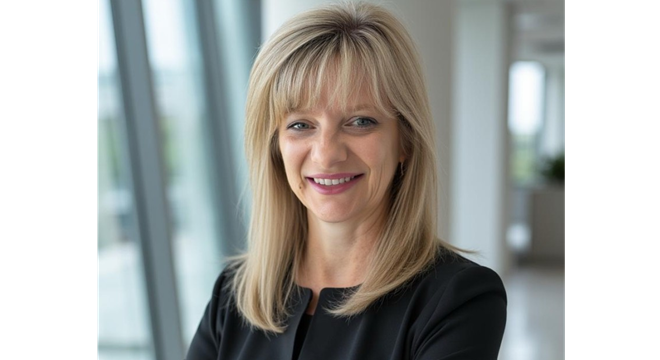
“This expansion is a landmark achievement for the VEOCEL™
brand and the broader nonwovens industry in Asia,” said Patricia A. Sargeant,
Executive Vice President Nonwovens at Lenzing AG speaking at the launch
ceremony on 18th March in Prachinburi. “We are now ideally positioned to serve
our valued customers with enhanced speed, stability, and sustainability. With
this move, we aim to empower our partners in Asia to meet the consumer demand
for environmentally responsible wipes and hygiene products, while significantly
reducing the carbon footprint associated with global logistics.”
Building on a sustainable foundation
The Prachinburi plant utilises a resource-efficient,
closed-loop production process that results in low air and water emissions. The
facility also drives Lenzing’s broader climate goals, targeting 95% biomass
energy by 2027 and Scope 1 and 2 carbon neutrality by 2030.
“Our site in Thailand was built with future growth and our
ambitious climate goals in mind,” added Krishna Manda, Global Head of
Sustainability for Lenzing Group. “Expanding the facility’s capabilities for
VEOCEL™ fibres is a testament to our ongoing investments in sustainable
innovation. Once fully commercialized, this capability will play a vital role
in transitioning the regional nonwovens industry from fossil-based synthetics
to biodegradable, cellulosic alternatives.”
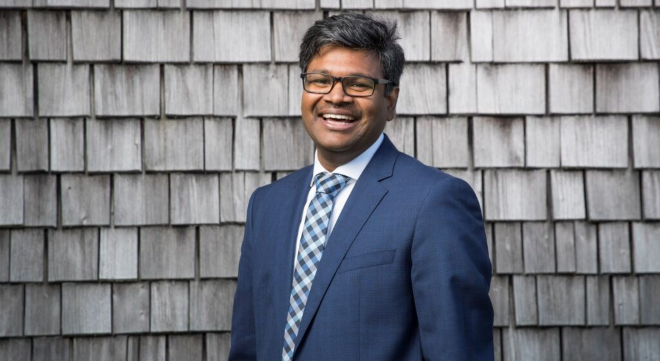
“Our site in Thailand was built with future growth and our ambitious climate goals in mind,” added Krishna Manda, Global Head of Sustainability for Lenzing Group. “Expanding the facility’s capabilities for VEOCEL™ fibres is a testament to our ongoing investments in sustainable innovation. Once fully commercialized, this capability will play a vital role in transitioning the regional nonwovens industry from fossil-based synthetics to biodegradable, cellulosic alternatives.”
Subscribe To Textile Excellence Print Edition
If you wish to Subscribe to Textile Excellence Print Edition, kindly fill in the below form and we shall get back to you with details.
Newsletter
Subscribe To Textile Excellence Mailing List


- December 09, 2022
'There Is Very High Acceptance For India

- December 09, 2022
'Advanced Machines & Service, Customer C

- October 09, 2023
First-time In The World: Rieter’s Auto
- July 28, 2026
Arvind Eyes Leadership In India's Premiu
- June 01, 2020
Karl Mayer Enables Automated Production

- June 05, 2023
Ultimax - All New Revolutionary Rapier W
- June 09, 2025
DyStar Becomes A Wholly Owned Subsidiary
- July 28, 2026