
Saudi Arabia Is Rewiring Gulf Logistics
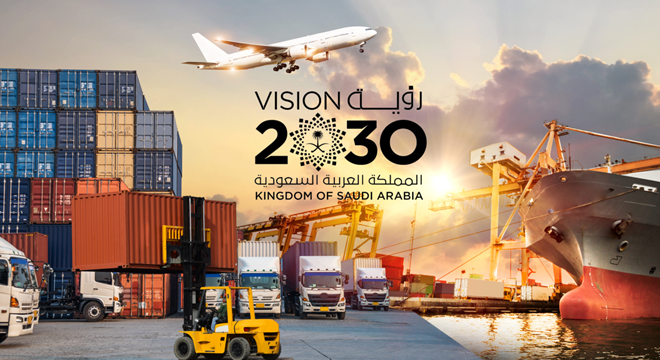
As tensions continue to disrupt shipping through the Strait of Hormuz, Saudi Arabia is rapidly repositioning itself as the Gulf’s alternative trade and logistics hub. Instead of relying solely on vulnerable maritime routes, the Kingdom is pushing overland transport corridors, Red Sea access points and integrated logistics networks to keep trade moving. The strategy is not just about crisis management anymore. It is becoming a long-term economic play. The disruptions in Hormuz exposed a major weakness in global supply chains. A large share of the Gulf’s oil, petrochemicals and cargo flows through the narrow waterway. Any instability immediately impacts shipping costs, delivery schedules and regional trade. Saudi Arabia’s response has been swift: reroute, diversify and regionalise. The new trade strategy The Kingdom is increasingly using its geography to connect the Gulf, the Red Sea and international markets through alternative routes. Key elements of the strategy include: Expanding overland cargo movement Building multimodal logistics corridors Strengthening Red Sea port infrastructure Improving regional rail connectivity Increasing warehousing and inland distribution capacity The shift is helping Saudi Arabia reduce dependence on traditional sea lanes while positioning itself as a redistribution centre for Gulf trade. Why overland routes matter One of the biggest changes has been the growing use of land-based transport corridors. Cargo entering Saudi Arabia can now be redirected through domestic transport networks and neighbouring countries instead of relying entirely on maritime shipping through high-risk zones. This is changing how supply chains operate across the Gulf. Businesses are increasingly focusing on: trucking and rail connectivity, inland logistics hubs, cross-border distribution, and integrated transport solutions. The result is a more flexible regional trade network that can function even during shipping disruptions. Infrastructure investments paying off Saudi Arabia’s ability to respond quickly is largely due to years of infrastructure spending under Vision 2030. Over the past decade, the Kingdom has invested heavily in: ports, industrial zones, rail infrastructure, logistics parks, and warehousing facilities. These investments are now becoming commercially critical. Red Sea ports, in particular, are emerging as strategic alternatives to Gulf shipping routes. Inland logistics hubs are also helping redistribute cargo across the region more efficiently. The crisis has effectively stress-tested Saudi Arabia’s logistics ambitions — and so far, the infrastructure is holding up. Fast policy coordination Another major advantage has been speed. Saudi authorities, logistics operators, customs agencies and state-owned enterprises have moved quickly to maintain cargo flows and minimise disruption. Key measures include: rapid rerouting of shipments, coordination between ports and logistics providers, support for affected industries, and faster operational decision-making. This coordination has helped reduce uncertainty for businesses operating in the region. Saudi Arabia’s bigger ambition The Kingdom is no longer positioning itself only as an oil exporter or consumer market. It wants to become the Gulf’s central logistics and redistribution hub. That shift could reshape regional trade patterns in the coming years. Under the emerging model: goods can enter Saudi Arabia and move across Gulf markets, supply chains become more regionalised, and logistics services become a higher-value economic sector. For companies, this opens opportunities beyond transport alone. Where business opportunities are emerging Overland and Multimodal Logistics Demand is rising for trucking, rail freight and integrated cargo solutions as companies move away from disruption-prone sea routes. Warehousing and Fulfilment Saudi Arabia’s growing role as a redistribution hub is increasing demand for storage, inventory management and fulfilment services. Ports and Logistics Infrastructure Alternative trade corridors require continued investment in ports, inland terminals and industrial logistics zones. Supply Chain Diversification Companies are looking for partners that can redesign supply chains to reduce geopolitical risk and improve flexibility. The Risks Remain Despite the momentum, major challenges remain. Geopolitical tensions could continue disrupting trade routes. Sudden shifts in cargo flows may create infrastructure bottlenecks. Cross-border logistics still involve regulatory complexity across multiple Gulf markets. Businesses will need flexible supply chain models and strong regional partnerships to navigate the uncertainty. A Structural Shift, Not a Temporary Fix The bigger takeaway is that Saudi Arabia is using crisis conditions to accelerate a long-term transformation. Instead of waiting for regional stability to return, the Kingdom is investing in infrastructure, connectivity and logistics systems that can support trade during prolonged disruption.
The bigger takeaway is that Saudi Arabia is using crisis conditions to accelerate a long-term transformation. Instead of waiting for regional stability to return, the Kingdom is investing in infrastructure, connectivity and logistics systems that can support trade during prolonged disruption.
Subscribe To Textile Excellence Print Edition
If you wish to Subscribe to Textile Excellence Print Edition, kindly fill in the below form and we shall get back to you with details.
Newsletter
Subscribe To Textile Excellence Mailing List


- December 09, 2022
'There Is Very High Acceptance For India

- December 09, 2022
'Advanced Machines & Service, Customer C

- October 09, 2023
First-time In The World: Rieter’s Auto

- July 28, 2026
Arvind Eyes Leadership In India's Premiu

- June 01, 2020
Karl Mayer Enables Automated Production

- June 05, 2023
Ultimax - All New Revolutionary Rapier W

- June 09, 2025
DyStar Becomes A Wholly Owned Subsidiary

- July 28, 2026