
From Compliance To Competitiveness - India's Moment To Lead
Innovation
has been spoken about at length. The real question before us is: who will
industrialise it, standardise it, and lead the world with it?
The frame
Consider
a single frame that captures both the challenge and the opportunity before us.
On one side - a 30-billion-dollar global market, growing steadily. On the
other, a sobering reality: one in five workplace injuries globally is linked to
inadequate protective textiles. In refineries. In chemical plants. On
construction sites. These are not statistics. These are lives.
And
in between that opportunity and that responsibility stands India.
India's position
India
is uniquely positioned to shape the global narrative in protective textiles. A
45 million strong workforce. A fully integrated value chain from fibre to
finished product. A national ambition of a 350-billion-dollar textile economy.
And
yet — let us acknowledge this with clarity — India is not among the global
leaders in protective textiles today. Which means this is not a story of
arrival. This is a moment of opportunity.
The
demand is real and it is accelerating. Energy transition is creating new
hazards. Global infrastructure investment is surging. Defence modernisation is
reshaping procurement requirements. Every one of these sectors needs protective
solutions that genuinely perform, not merely products that comply on paper.
For
too long, protective textiles were treated as compliance - a regulatory
requirement, a cost centre, a checkbox. That era is over.
The
world is moving decisively toward zero harm workplaces, stricter standards,
full traceability, and sustainability as a baseline expectation - not a premium
feature. In this world, safety is not compliance. Safety is competitiveness.
Trust as competitive
advantage
The
countries that will lead will not simply manufacture garments. They will define
standards. They will set benchmarks. And most importantly, they will be
trusted.
Trust
is the ultimate competitive advantage. It cannot be imported. It cannot be
manufactured overnight. It is earned — product by product, delivery by
delivery, year after year. Our strength cannot remain cost alone. From cost to
credibility - that is the journey India must now complete.
Three pillars for
leadership
Standards. From
fragmented compliance to globally benchmarked systems. Quality must be designed
into the process, embedded in the system, and verified through institutions the
world respects. Trust in safety begins with trust in systems.
Innovation. Protective
textiles are engineered solutions - fire resistant, chemical resistant, arc
rated. Today, these materials must protect both the worker and the planet.
Sustainability is no longer a differentiator; it is a threshold requirement.
India must lead this engineering, not follow it.
Reliable
Scale. The question is no longer whether you can produce. The
question is whether you can be depended upon. Consistency. Speed.
Predictability. Reliable scale is what separates a supplier from a leader.
Three strategic enablers
Fibre Leadership. Access
to high performance fibres - aramids, specialty synthetics, advanced blends -
is non-negotiable and foundational. These are the raw materials of trust.
Without fibre leadership, there is no product leadership.
Global Certification
Credibility. Testing and certification infrastructure
that is trusted not just in India but in Houston, Hamburg, and Hangzhou. This
means institutions, bilateral recognition frameworks, and accreditations that
open doors rather than require repeated justification.
Ecosystem
Strength. Technical textiles, skilling, MSME integration - a
system that compounds capability over time and brings the entire industry into
the value chain, not just the large players.
These
are not sectoral asks. These are strategic investments in India's global
credibility in safety and performance. With the right policy architecture,
India can build this within the decade.
A mandate, not a market
Protective
textiles are not just products. They are the promise we make to the worker
entering a refinery at dawn, to the woman in a chemical facility trusting that
what she wears will bring her home safely, to the worker on a construction site
forty floors above the ground. These are the lives that depend on what we
produce.
So,
when we speak of a 30-billion-dollar opportunity, let us remember: it is not a
market. It is a mandate.
A
mandate - from compliance to competitiveness, from cost to credibility, from
manufacturing to leadership.
The
future will not be defined by who produces the most. It will be defined by who
is trusted the most.
In protective textiles, India is not just manufacturing products. India is manufacturing trust in safety. And the world is waiting for us to lead.
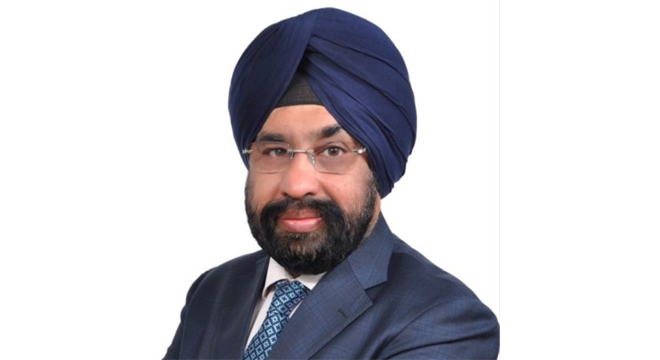
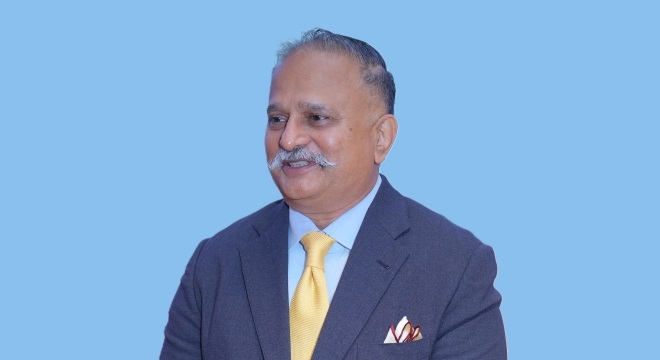
Updeep Singh Chatrah, Chairman – Textile & Technical Textiles Committee, ASSOCHAM said during his address at NITRA Ministerial Event on Protective Textiles "In protective textiles, India is not just manufacturing products. India is manufacturing trust in safety. And the world is waiting for us to lead."
Subscribe To Textile Excellence Print Edition
If you wish to Subscribe to Textile Excellence Print Edition, kindly fill in the below form and we shall get back to you with details.
Newsletter
Subscribe To Textile Excellence Mailing List


- December 09, 2022
'There Is Very High Acceptance For India

- December 09, 2022
'Advanced Machines & Service, Customer C

- October 09, 2023
First-time In The World: Rieter’s Auto
- July 28, 2026
Arvind Eyes Leadership In India's Premiu
- June 01, 2020
Karl Mayer Enables Automated Production

- June 05, 2023
Ultimax - All New Revolutionary Rapier W
- June 09, 2025
DyStar Becomes A Wholly Owned Subsidiary
- July 28, 2026