
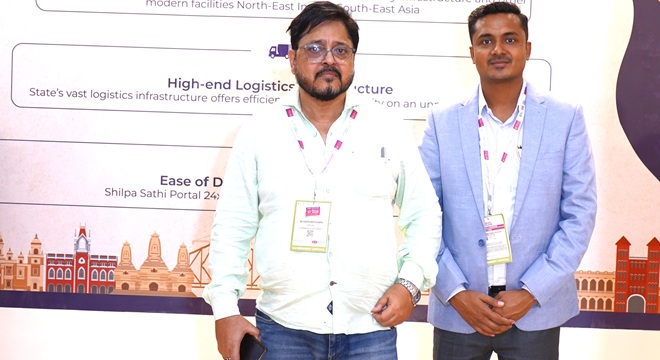
West Bengal To Find Its Footing In The Industrialised Textile Industry
For
decades, one word defined West Bengal's textile identity - sarees, especially the handloom sarees.
From
Shantipur handlooms to Baluchari silks and exquisite Kantha embroidery, the
state's rich textile heritage has earned admiration across India and overseas.
But now, West Bengal wants to be known for much more. A new vision is taking
shape - one that aims to transform the state into a major apparel, technical
textiles and export powerhouse.
The
ambition is bold.
Today,
Bangladesh exports around US$ 44 billion worth of textiles and apparel. West
Bengal, despite sharing geography, culture, skilled manpower and access to the
same global markets, exports barely US$ 1 billion. Industry experts believe
that gap is not a limitation, it's an opportunity.
"The
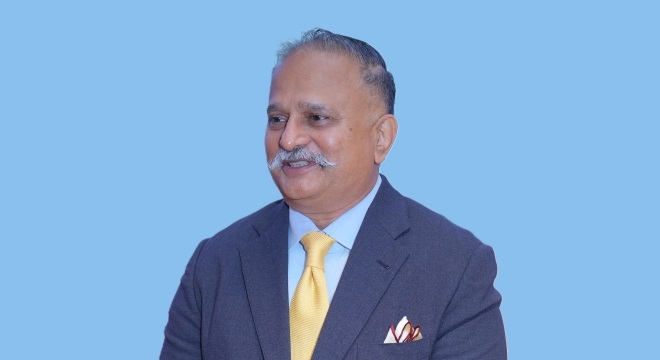
immediate target is US$ 4 billion by 2030," says Sudip Bhattacharya,
Director, Textiles, Government of West Bengal “If government and industry work
together, there is no reason why West Bengal cannot aim much higher in the
years ahead."
That
optimism is driving a complete rethink of the state's textile strategy.
The
biggest shift begins with changing mindsets
"For
nearly 40 or 50 years, textiles in West Bengal meant sarees," admits Mr
Bhattacharya, who is involved in drafting the new roadmap.
The
new focus is expanding rapidly towards apparel manufacturing, hosiery,
technical textiles, geotextiles, Meditech and industrial textiles - segments
capable of creating large-scale employment while boosting exports.
Apparel
at the heart of the industrialisation strategy
“West
Bengal already possesses one of the country's largest pools of skilled women
workers experienced in sewing, embroidery and garment making. Kolkata's
children's wear industry is well established, but much of it remains
fragmented. The state's new vision is to organise this ecosystem, attract
investment and build a globally competitive garment industry capable of
generating lakhs of livelihoods,” says Mr Bhattacharya.
Unlike
capital-intensive industries, apparel manufacturing creates employment quickly,
making it a natural choice for a state prioritising inclusive growth.
To
support that vision, officials are working on a comprehensive apparel policy,
not one designed merely to attract investors, but one that also supports MSMEs,
entrepreneurs and workers.
The
proposed framework is expected to include the creation of the entire ecosystem
- skilling, wage support, credit linkages, interest subvention, export
assistance, logistics, compliance, certification and worker welfare. Rather
than rushing to announce incentives, policymakers say they are carefully
studying successful textile policies in Odisha, Rajasthan, Madhya Pradesh,
Chhattisgarh and the North-East before finalising West Bengal's roadmap.
"We
don't want a policy only for large investors," he explains. "Small
enterprises and workers must benefit equally."
The
timing could hardly be better.
India's
textile landscape is changing rapidly with new Free Trade Agreements opening
fresh export opportunities. At the same time, the Centre's TEX-RAMP programme
promises funding for research, innovation, capacity building and export
competitiveness. West Bengal hopes to leverage these initiatives while
exploring Centres of Excellence and stronger export facilitation systems.
Five
Champion Export Districts
The
state has already identified five Champion Export Districts —Kolkata, North 24
Parganas, South 24 Parganas, Howrah and Hooghly — along with four Aspirational
Districts including Murshidabad, Malda, Birbhum and East Midnapore. District
Export Action Plans are already in place, forming the backbone of a broader state
textile strategy.
Infrastructure
is another important piece of the puzzle.
Existing
textile parks at Dabgram-Phulbari in Jalpaiguri and other locations offer a
starting point, while industry experts believe North Bengal could emerge as an
ideal destination for weaving parks that generate large-scale employment. “With Bagdogra Airport, connectivity to the
Northeast and access to Southeast Asian trade routes, the region offers
strategic advantages waiting to be unlocked,” he believes.
The
emerging opportunities in technical textiles
Technical
textiles are also emerging as a major opportunity. West Bengal already
manufactures specialised industrial products such as battery separators and
aluminium mesh materials through private industry. Expanding into geotextiles,
Meditech and other high-value applications could significantly diversify the
state's textile portfolio.
Yet
officials acknowledge that policy alone cannot transform the sector.
Private
investments
Private
investment, industry participation, workforce training, sustainability,
compliance and internationally recognised certifications will all be essential.
Small enterprises, in particular, need easier access to export certifications,
traceability systems and environmental compliance if they are to compete
globally.
The
remarkable transformation of Shantipur
One
lesson repeatedly surfaced during the discussions - the remarkable
transformation of Shantipur. Years ago, a carefully crafted development roadmap
helped revive the historic weaving cluster. Many believe the same model can now
be replicated across the state, spreading textile development beyond a handful
of traditional pockets.
The
vision extends beyond jute and silk, two sectors where West Bengal already
enjoys global recognition. The state wants every fibre, every cluster and every
skilled artisan to become part of a broader industrial ecosystem that creates
jobs, attracts investment and drives exports.
New
government has its work cut out
Officials
are realistic. The new government has been in office only a few months, and
they admit that much of the work still lies ahead. Policies must be approved,
investors convinced and ecosystems built.
But
one thing is already clear.
West
Bengal is no longer content being known only as the land of beautiful sarees.
It wants to become one of India's next big textile growth stories - and this
time, the fabric of that story will be woven from apparel, innovation, exports
and opportunity.
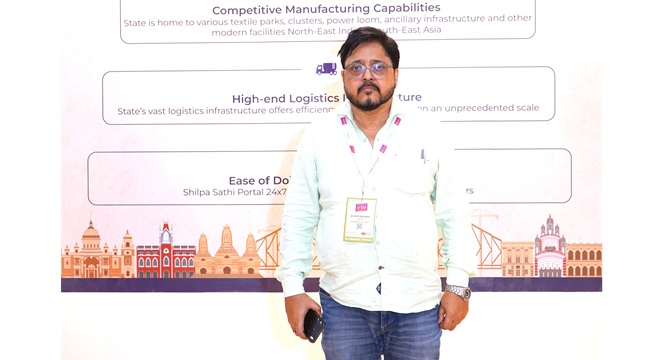
"The immediate target is US$ 4 billion by 2030," says Sudip Bhattacharya, Director, Textiles, Government of West Bengal “If government and industry work together, there is no reason why West Bengal cannot aim much higher in the years ahead." That optimism is driving a complete rethink of the state's textile strategy.
Subscribe To Textile Excellence Print Edition
If you wish to Subscribe to Textile Excellence Print Edition, kindly fill in the below form and we shall get back to you with details.
Newsletter
Subscribe To Textile Excellence Mailing List


- December 09, 2022
'There Is Very High Acceptance For India

- December 09, 2022
'Advanced Machines & Service, Customer C

- October 09, 2023
First-time In The World: Rieter’s Auto
- July 28, 2026
Arvind Eyes Leadership In India's Premiu

- June 01, 2020
Karl Mayer Enables Automated Production

- June 05, 2023
Ultimax - All New Revolutionary Rapier W
- June 09, 2025
DyStar Becomes A Wholly Owned Subsidiary
- July 28, 2026