
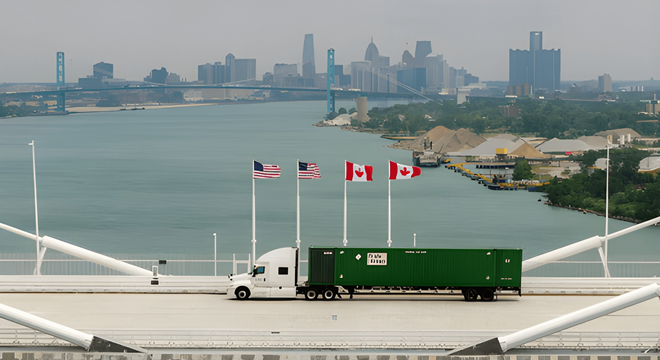
Trade War Escalates Canada Imposes Steep Retaliatory Tariffs On American Apparel
The global trade landscape faces intense turbulence
following a massive economic standoff between two major North American
economies. Canada announced retaliatory tariffs on nearly 700 American products
on August 25 2026. This measure targets US$19.94 billion worth of imports from
the United States. The strategic move answers the United States decision to
implement a 50% tariff on US$20 billion worth of Canadian products under
Section 338 of the Tariff Act of 1930. The trade dispute carries severe
ramifications across integrated global supply chains including the
international textile and apparel sectors.
Impact On Global Apparel Supply Chains
Canadian officials established staggered duty rates of 15%
25% and 50% on imported American goods effective September 8 2026. The 50%
tariff bracket encompasses raw steel-aluminium furniture and finished clothing
lines under Harmonized System Chapters 61 through 65. The inclusion of clothing
in the maximum penalty tier delivers an enormous blow to United States textile
manufacturing businesses. American apparel brands will face margin compressions
when exporting across the northern border. Market analysts anticipate a
redirection of North American apparel sourcing networks. Canadian retail chains
will seek cost effective alternatives to taxed American garments. India stands
perfectly positioned to fill this void given its robust spinning weaving and
value-added garment capacities.
Legal Facets and Trade Nuances
This commercial conflict undermines the United States Mexico
Canada Agreement framework. Unilateral tariffs circumvent established Chapter
31 dispute settlement mechanisms. Businesses operating within the North
American textile sector previously relied on the yarn forward rule of origin to
maintain tariff free market access. The levies neutralize these preferential
origin benefits making regional integration economically unviable. International
trade attorneys note that navigating overlapping legal jurisdictions will
require meticulous supply chain audits. Companies must reevaluate their
compliance protocols to avoid financial penalties.
Strategic Measures and Sourcing Realignment
The Canadian government formulated these duties to mirror
the scale of American trade restrictions. Finance Minister Francois Philippe
Champagne emphasized the resolute counterattack. Champagne stated, "Our
dollar-for-dollar rate for rate counter tariffs as well as a
multibillion-dollar support package will protect workers farmers families and
businesses." The government unveiled a US$5.42 billion financial support
package assisting domestic enterprises. Industry Minister Melanie Joly highlighted
the necessity of domestic resilience and swift international market
diversification. Joly stated, "We cannot wait for Washington to decide our
future."
The dispute signals structural volatility across
international consumer goods markets. Global apparel brands must recalibrate
sourcing networks to navigate taxation barriers successfully. Indian textile
manufacturers possess an exceptional opportunity to expand their market
footprint in Canada amid shifting procurement channels. The supply chain
ecosystem requires agile adaptation to survive the economic consequences of
this historic trade confrontation.
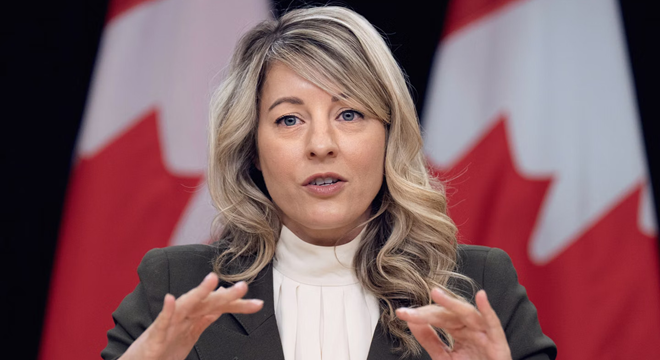
Industry Minister Melanie Joly highlighted the necessity of domestic resilience and swift international market diversification. Joly stated, "We cannot wait for Washington to decide our future."
Subscribe To Textile Excellence Print Edition
If you wish to Subscribe to Textile Excellence Print Edition, kindly fill in the below form and we shall get back to you with details.
Newsletter
Subscribe To Textile Excellence Mailing List


- December 09, 2022
'There Is Very High Acceptance For India

- December 09, 2022
'Advanced Machines & Service, Customer C

- October 09, 2023
First-time In The World: Rieter’s Auto

- July 28, 2026
Arvind Eyes Leadership In India's Premiu

- June 01, 2020
Karl Mayer Enables Automated Production

- June 05, 2023
Ultimax - All New Revolutionary Rapier W
- June 09, 2025
DyStar Becomes A Wholly Owned Subsidiary

- July 28, 2026