
EU Forced Labour Rules Put Textile Supply Chains Under The Microscope
The
EU has published long-awaited guidelines on its Forced Labour Regulation, and
textile exporters have plenty of reason to pay attention.
From
14 December 2027, products made wholly or partly with forced labour will be
prohibited from being placed on, made available on or exported from the EU
market. The rule applies regardless of where the product was made and covers
forced labour at any stage of production.
For
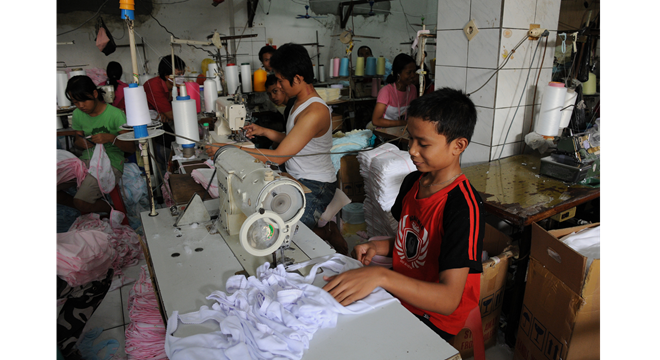
textiles, that means the scrutiny can extend far beyond the garment factory.
The
cotton trail matters
A
shirt may be stitched in India, but its supply chain can run through cotton,
ginning, spinning, weaving, dyeing, finishing and subcontracting operations
involving multiple companies and countries.
If
forced labour is found somewhere in that chain, the finished product can come
under the EU regulation.
The
Commission has therefore put supply chain visibility at the heart of its
implementation approach. Companies may be asked during investigations to
provide information on how they address forced labour risks in their supply
chains.
This
does not mean every textile exporter must suddenly conduct a mandatory audit of
every supplier. The regulation does not impose a standalone due diligence,
audit or reporting obligation. But companies still carry responsibility for
ensuring that products entering the EU market are free from forced labour.
The
risk is moving downstream
That
distinction is important.
EU
buyers are likely to want more information from suppliers, not simply about the
factory making the final garment, but about the origins of key inputs and the
businesses involved further upstream.
For
textile manufacturers, supplier records, subcontracting information, production
locations and evidence of responsible sourcing could therefore become
increasingly important when dealing with European customers.
The
Commission is also developing tools to help companies assess forced labour
risks and improve supply chain traceability. A dedicated textile sector session
on the regulation is scheduled for 20 October 2026, focusing specifically on
supply chain visibility, supplier engagement and compliance.
2027
is closer than it looks
The
regulation does not start enforcement until December 2027, but the Commission
has already launched its preparedness phase.
And
there is potentially a serious commercial consequence. Where a product is
confirmed to violate a ban decision, authorities can require it to be withdrawn
and disposed of rather than simply redirected to another market.
For
textile exporters, the message is straightforward: knowing your buyer is no
longer enough. You increasingly need to know your supply chain, and be able to
prove it.
The
companies that cannot trace what lies several tiers behind their finished
product could find that the biggest compliance risk is not at the sewing
machine, but somewhere much further upstream.
For textile exporters, the message is straightforward: knowing your buyer is no longer enough. You increasingly need to know your supply chain, and be able to prove it. The companies that cannot trace what lies several tiers behind their finished product could find that the biggest compliance risk is not at the sewing machine, but somewhere much further upstream.
Subscribe To Textile Excellence Print Edition
If you wish to Subscribe to Textile Excellence Print Edition, kindly fill in the below form and we shall get back to you with details.
Newsletter
Subscribe To Textile Excellence Mailing List


- December 09, 2022
'There Is Very High Acceptance For India

- December 09, 2022
'Advanced Machines & Service, Customer C

- October 09, 2023
First-time In The World: Rieter’s Auto

- July 28, 2026
Arvind Eyes Leadership In India's Premiu

- June 01, 2020
Karl Mayer Enables Automated Production

- June 05, 2023
Ultimax - All New Revolutionary Rapier W
- June 09, 2025
DyStar Becomes A Wholly Owned Subsidiary

- July 28, 2026