
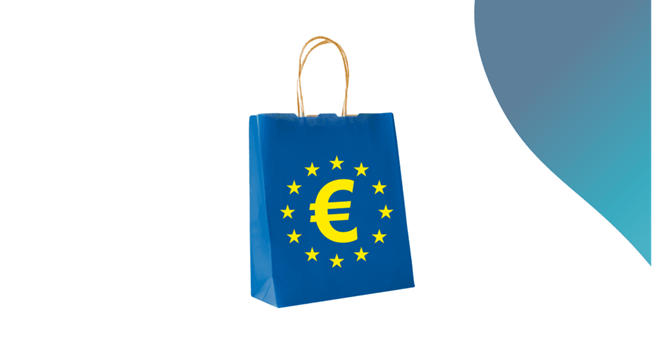
Europe Wants More European Products In Government Buying
The
EU is moving to put a stronger `Made in Europe’ preference into public
procurement and that could eventually matter to overseas textile suppliers
competing for government contracts.
The
European Commission has proposed a new Public Procurement Act that would
replace the EU’s three existing procurement directives with a single rulebook.
The proposal aims to simplify procurement, digitise the system and give public
buyers more scope to consider European production, economic security and supply
chain resilience.
For
the textile industry, this is worth watching. Public authorities buy large
quantities of workwear, uniforms, protective clothing and other textile
products, while the EU is also actively pushing circular and sustainable
textile procurement.
The
European preference
The
proposal introduces “European preference” criteria that could allow public
buyers to restrict participation, require minimum European or qualifying
origin, or give preference to European suppliers in certain tenders.
The
Commission says these measures would operate within the EU’s international
commitments. The exact sectors and circumstances in which preferences will
apply, however, will depend on the final legislation.
Beyond
price
There
is another important shift. The new framework would make the best price-quality
ratio the default way of awarding contracts, rather than simply choosing the
cheapest offer. Buyers would also have greater scope to consider environmental,
social, innovation, security and resilience factors.
That
could work in favour of textile suppliers able to demonstrate strong
sustainability credentials, circularity, social compliance and reliable supply
chains—not simply competitive prices.
A
bigger digital market
There
is an opportunity for overseas suppliers too.
The
proposal envisages an EU-wide digital procurement system and a “once-only”
approach, allowing companies to submit key information and documents without
repeatedly providing the same material for different tenders.
Public
procurement represents a huge market: EU public authorities spend around 14% of
EU GDP through procurement.
The
proposal is now entering negotiations between the European Parliament and the
Council, so the rules can still change substantially before becoming law.
Europe
is increasingly using public purchasing not just to buy at the lowest price,
but to strengthen its own industry, resilience and strategic supply chains.
And
when European governments start putting more weight on where a product comes
from, how it is made and how secure its supply chain is, overseas textile
suppliers will have to compete on more than price.
Europe is increasingly using public purchasing not just to buy at the lowest price, but to strengthen its own industry, resilience and strategic supply chains. And when European governments start putting more weight on where a product comes from, how it is made and how secure its supply chain is, overseas textile suppliers will have to compete on more than price.
Subscribe To Textile Excellence Print Edition
If you wish to Subscribe to Textile Excellence Print Edition, kindly fill in the below form and we shall get back to you with details.
Newsletter
Subscribe To Textile Excellence Mailing List


- December 09, 2022
'There Is Very High Acceptance For India

- December 09, 2022
'Advanced Machines & Service, Customer C

- October 09, 2023
First-time In The World: Rieter’s Auto

- July 28, 2026
Arvind Eyes Leadership In India's Premiu

- June 01, 2020
Karl Mayer Enables Automated Production

- June 05, 2023
Ultimax - All New Revolutionary Rapier W
- June 09, 2025
DyStar Becomes A Wholly Owned Subsidiary

- July 28, 2026