
Nike Brings Electric Barges To Vietnam To Cut Supply Chain Emissions
An electric barge,
renewable power and a strong partnership are helping Nike take a cleaner route
through Vietnam’s waterways.
Nike is giving its supply
chain a cleaner ride in Vietnam. The company has teamed up with shipping giant
CMA CGM and logistics provider Gemadept to launch the country’s first fully
electric river barge, a move that could take a sizeable chunk out of its
transportation emissions.
The barge will ferry Nike
products between the company’s inland drop-off location in Ho Chi Minh City and
the Gemalink deep-sea terminal in Cai Mep. That’s a round trip of more than 100
miles, with zero direct greenhouse gas emissions.
And it won't be running on
just any electricity. Its batteries will be recharged using certified renewable
power supplied through a solar farm at the terminal. The project is expected to
avoid around 778 tonnes of CO₂ emissions every year.
For Nike, this is about
more than putting an electric vessel on the water. It is about rethinking how
products move through its global supply chain and working with logistics
partners to make lower-carbon transport a practical reality.
Transport is a big part of
the emissions challenge
Nike is targeting four
areas to reduce emissions across its value chain: transportation, materials,
manufacturing and its own operations. In transport, the company is working to
reduce air freight, scale up lower-carbon maritime fuels and expand the use of
electric vehicles.
The efforts are beginning
to show results. Emissions from inbound and outbound transportation fell by 56%
in FY25 compared with FY20.
The electric barge adds
another solution to this mix and supports Nike’s 2030 Science-Based Targets,
which include cutting greenhouse gas emissions across its extended supply chain
by 35 percent from the FY20 baseline.
Partnerships make the
difference
Nike sees collaboration
with suppliers, industry peers and strategic partners as essential to taking
these solutions beyond individual projects. Its wider sustainability efforts
also cover reducing waste, conserving water, scaling circular solutions, protecting
forests and advancing cleaner chemistry.
Nike’s message is clear:
cleaner transport is not just about replacing diesel with batteries. It is
about building a supply chain that is more efficient, resilient and ready for a
lower-carbon future, while continuing to serve athletes reliably.
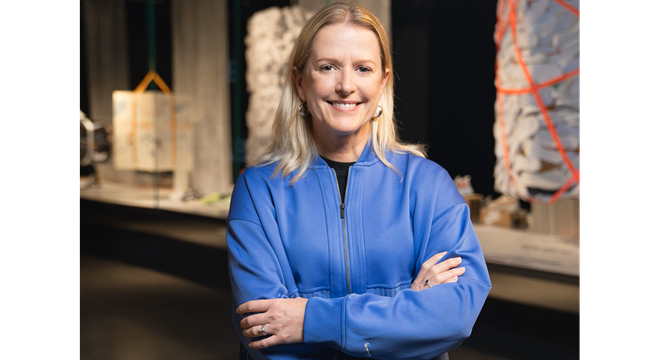
“Reducing emissions across a global supply chain takes more than any one company. It takes new ideas, strong partnerships and a willingness to rethink how we operate. This project is a great example of how we can turn innovation into practical solutions that reduce our impact while strengthening the resilience of our supply chain.” - Cimarron Nix, Chief Sustainability Officer, NIKE, Inc.
Subscribe To Textile Excellence Print Edition
If you wish to Subscribe to Textile Excellence Print Edition, kindly fill in the below form and we shall get back to you with details.
Newsletter
Subscribe To Textile Excellence Mailing List


- December 09, 2022
'There Is Very High Acceptance For India

- December 09, 2022
'Advanced Machines & Service, Customer C

- October 09, 2023
First-time In The World: Rieter’s Auto
- July 28, 2026
Arvind Eyes Leadership In India's Premiu

- June 01, 2020
Karl Mayer Enables Automated Production

- June 05, 2023
Ultimax - All New Revolutionary Rapier W
- June 09, 2025
DyStar Becomes A Wholly Owned Subsidiary

- July 28, 2026