
New Fabric “Fingerprint” Technology To Transform Textile Recycling And Supply Chains
A
new research breakthrough could help solve one of the biggest challenges facing
the global textile industry - identifying, sorting and recycling used fabrics
efficiently.
Researchers
at the National Institute of Standards and Technology (NIST) have developed a
new textile reference material designed to improve fibre identification
technologies, strengthen recycling systems and help bring more discarded
textiles back into the manufacturing supply chain.
The
development comes as the industry faces growing pressure to reduce textile
waste. Studies estimate that around 56% of clothing and textiles can be
recycled or recovered, but a large share never returns to the production cycle
due to difficulties in sorting fabrics accurately and cost-effectively.
NIST’s
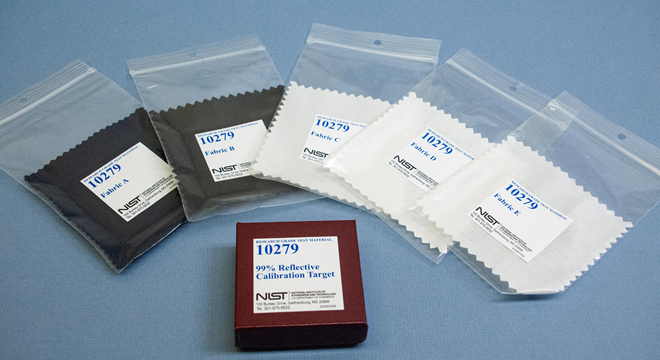
new Research Grade Test Material (RGTM) 10279 – Textiles for Feedstock
Identification is designed to help laboratories, recycling facilities and
manufacturers validate their textile identification methods. The material
consists of five fabric swatches made from different fibres, including dyed and
undyed samples.
“Textile
sorters need reliable reference materials to ensure measurements are comparable
across facilities,” said NIST materials research engineer Amanda Forster. The
new material could help improve sorting accuracy, expand recycling supply
chains and recover more economic value from discarded textiles.
AI
needs better textile data
The
textile industry is increasingly adopting artificial intelligence (AI) and
automated sorting technologies to improve recycling efficiency. However, these
systems require accurate data and reliable standards to identify different
fibres.
Today,
recycling facilities use technologies such as near-infrared (NIR) spectroscopy,
computer vision and hyperspectral imaging to analyse fabrics. NIR scanners
identify fibres by measuring how light interacts with textile materials, while
automated systems use cameras, sensors and algorithms to sort fabrics on
conveyor lines.
However,
mixed-fibre fabrics remain a major challenge. Many modern textiles contain
blends such as cotton-polyester combinations that are difficult to identify,
affecting recycling efficiency.
NIST’s
reference material could help verify fibre composition, test sorting algorithms
and improve quality control across the textile value chain.
Supporting
brands, manufacturers and recycling
The
new material could also help brands and manufacturers ensure they receive the
exact fabrics they purchase. For example, if a fabric sold as 100% cotton
contains polyester, the reference system could help detect the mismatch.
It
may also support future applications in textile authentication and quality
verification.
The
initiative is particularly relevant as the industry moves towards circularity,
with manufacturers seeking better ways to recover fibres and reduce dependence
on virgin raw materials.
“Standards
like this help improve textile identification and sorting, supporting advances
in AI-enabled sorting and manufacturing,” said NIST researcher Michelle Seitz.
NIST
is now inviting laboratories, manufacturers and industry organisations to test
the material and provide feedback. The findings will help develop a more
comprehensive reference standard for textile identification.
For
the textile industry, improved fibre recognition technology could become a
critical enabler for circular manufacturing, allowing discarded textiles to be
sorted faster, recycled more efficiently and converted back into valuable raw
materials.
“Standards like this help improve textile identification and sorting, supporting advances in AI-enabled sorting and manufacturing,” said NIST researcher Michelle Seitz. NIST is now inviting laboratories, manufacturers and industry organisations to test the material and provide feedback. The findings will help develop a more comprehensive reference standard for textile identification. For the textile industry, improved fibre recognition technology could become a critical enabler for circular manufacturing, allowing discarded textiles to be sorted faster, recycled more efficiently and converted back into valuable raw materials.
Subscribe To Textile Excellence Print Edition
If you wish to Subscribe to Textile Excellence Print Edition, kindly fill in the below form and we shall get back to you with details.
Newsletter
Subscribe To Textile Excellence Mailing List


- December 09, 2022
'There Is Very High Acceptance For India

- December 09, 2022
'Advanced Machines & Service, Customer C

- October 09, 2023
First-time In The World: Rieter’s Auto

- July 28, 2026
Arvind Eyes Leadership In India's Premiu

- June 01, 2020
Karl Mayer Enables Automated Production

- June 05, 2023
Ultimax - All New Revolutionary Rapier W

- June 09, 2025
DyStar Becomes A Wholly Owned Subsidiary

- July 28, 2026