
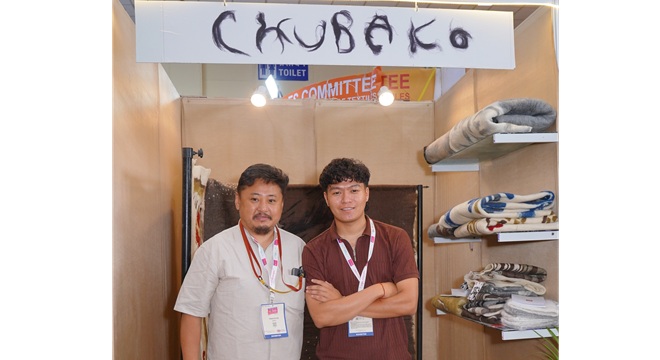
Himalayan Craftsmanship Eyes Global Markets
Traditional Himalayan
craftsmanship is emerging as a significant attraction in the global handmade
textile and lifestyle products market, with artisans showcasing centuries old
skills through contemporary designs at Bharat Tex 2026 in New Delhi. The exhibition
has provided a powerful platform for regional craftspeople to connect with
international buyers, exporters and industry leaders seeking authentic,
sustainable and culturally rich products.
Speaking to Textile Excellence
at Bharat Tex 2026 held at Bharat Mandapam, New Delhi, Sonam Tashi Gyaltsen,
the founder of the La (the parent company of Chubako) highlighted the growing
demand for Himalayan handcrafted products in premium domestic and international
markets. He said the uniqueness of these creations lies in the combination of
traditional knowledge, detailed handwork and modern product adaptation.
Every handcrafted piece
represents generations of artisan expertise passed through communities across
the Himalayan region. Traditional motifs, intricate embroidery, handmade
textures and specialised surface techniques create products that stand apart from
mass manufactured alternatives. Decorative textiles, wall hangings and
lifestyle products displayed at the exhibition reflected the region’s cultural
identity while addressing the preferences of contemporary consumers.
The global market for
handicrafts and handmade products has been witnessing steady growth as
consumers increasingly prioritise sustainability, authenticity and ethical
production. According to industry estimates, the global handicrafts market is
projected to grow from around US$752 billion in 2024 to more than US$1 trillion
by 2030, driven by rising interest in artisanal products, heritage crafts and
responsible consumption.
India holds a significant
position in this sector due to its diverse craft traditions spread across
different regions. The country’s handicraft exports were valued at
approximately US$3 billion in recent years, with textiles, carpets, embroidered
products and lifestyle goods contributing significantly to international trade.
Himalayan crafts have the potential to capture a larger share of premium
markets due to their distinctive cultural value and handmade appeal.
Gyaltsen said improving market
connectivity, digital visibility and institutional support will play a crucial
role in helping Himalayan artisans expand their reach. He emphasised that
participation in global exhibitions and trade platforms enables craftsmen to
understand changing consumer preferences, identify new design opportunities and
build direct relationships with buyers.
Digital commerce has also opened
new opportunities for traditional artisans by reducing geographical barriers.
Online platforms, social media storytelling and direct to consumer models are
helping craft communities showcase their heritage to customers across global
markets. Industry stakeholders believe stronger digital adoption can
significantly enhance income opportunities for artisan groups while preserving
traditional skills.
Bharat Tex 2026 emerged as an
important platform for demonstrating India’s extensive textile heritage to
global audiences. The exhibition brought together manufacturers, exporters,
designers, policymakers and artisans, creating opportunities for collaboration
across the textile value chain.
Gyaltsen described the event as
an important knowledge sharing platform where artisans gained insights into
international market trends, evolving design preferences and customer
expectations. Direct interaction with global visitors helped showcase the potential
of Himalayan craftsmanship beyond traditional markets.
Sonam also believes that
heritage-based textile products are becoming increasingly relevant in the
global fashion ecosystem, where consumers are moving towards products that
offer transparency, sustainability and emotional connection. Handmade textiles
provide not only functional value but also represent cultural narratives,
community skills and environmentally responsible production practices.
The integration of traditional
craftsmanship with modern design development is expected to create new
opportunities for Himalayan artisans. Product diversification, improved
branding, quality standardisation and stronger export networks could help
transform regional crafts into globally recognised lifestyle brands.
Bharat Tex 2026 has reinforced
India’s position as a major destination for sustainable and heritage driven
textile innovation. The growing international interest in Himalayan handcrafted
products highlights the potential of traditional artisans to participate more
actively in the global textile economy while preserving centuries old cultural
traditions.
Sonam Tashi Gyaltsen, the founder of the La said improving market connectivity, digital visibility and institutional support will play a crucial role in helping Himalayan artisans expand their reach. He emphasised that participation in global exhibitions and trade platforms enables craftsmen to understand changing consumer preferences, identify new design opportunities and build direct relationships with buyers. Sonam also believes that heritage-based textile products are becoming increasingly relevant in the global fashion ecosystem, where consumers are moving towards products that offer transparency, sustainability and emotional connection.
Subscribe To Textile Excellence Print Edition
If you wish to Subscribe to Textile Excellence Print Edition, kindly fill in the below form and we shall get back to you with details.
Newsletter
Subscribe To Textile Excellence Mailing List


- December 09, 2022
'There Is Very High Acceptance For India

- December 09, 2022
'Advanced Machines & Service, Customer C

- October 09, 2023
First-time In The World: Rieter’s Auto
- July 28, 2026
Arvind Eyes Leadership In India's Premiu

- June 01, 2020
Karl Mayer Enables Automated Production

- June 05, 2023
Ultimax - All New Revolutionary Rapier W

- June 09, 2025
DyStar Becomes A Wholly Owned Subsidiary

- July 28, 2026